
The Advisory Board Committee provides a broader perspective on matters facing The Network: TUFH, including strategy, partnerships, member benefits, and other opportunities. The Advisory Committee is made up of Task Force Chairs, Eminences, Partner Organizations, Thought Leaders, Immediate Past President of SNO, and co-editor of Education for Health.
The Advisory Committee is composed of a cross section of academia, health systems, community health industry leaders and global institution field builders.
Collectively, the Advisory Board Committee frames the annual Primary Global Health Care Issues/Challenges leading toward global and regional policy recommendations. The Advisory Board Committee does this through hosting weekly thought leadership symposiums, publishing best practice journal editions, hosting annual Solutions Challenges and publishing Policy/Position Papers.
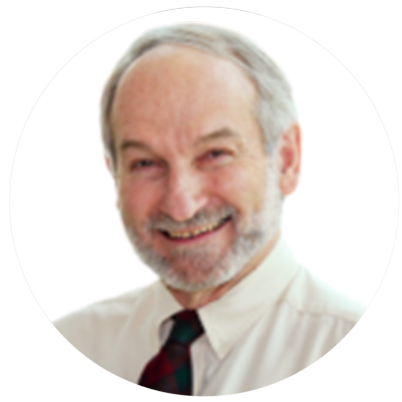
Arthur Kaufman, MD is a Distinguished Professor of Family and Community Medicine and Vice Chancellor for Community Health at the University of New Mexico; the Director of the Health Extension Regional Officers (HEROs) Program and Director of the Community Health Workers Initiatives Program; Director of the University of New Mexico’s W.H.O. Collaborating Center; and an elected member of the National Academy of Medicine He served in the U.S.P.H.S Indian Health Service in South Dakota and New Mexico.
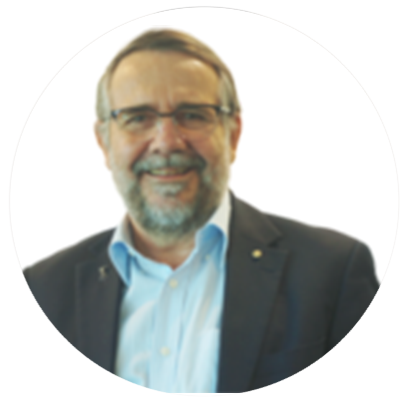
Head, Discipline of Rural and Remote Medicine Rural Clinical School The University of Queensland, Australia
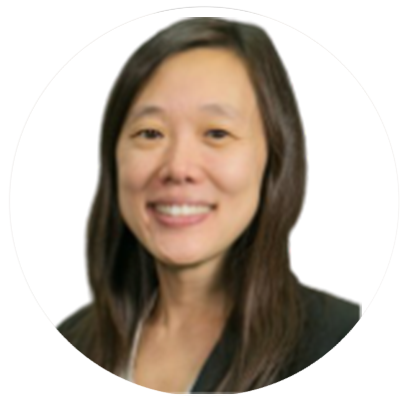
Candice Chen, MD, MPH, is the Chair of Beyond Flexner Alliance (BFA) and an Associate Professor in the Milken Institute School of Public Health at the George Washington University.

Charles Boelen is a medical doctor (University of Liège, Belgium, 1966 ), specialized in public health (Université de Montréal, Canada), epidemiology ( McGill University, Montreal), health system management (Harvard and Stanford, USA)and education of health professionals ( Université de Paris XIII, France )
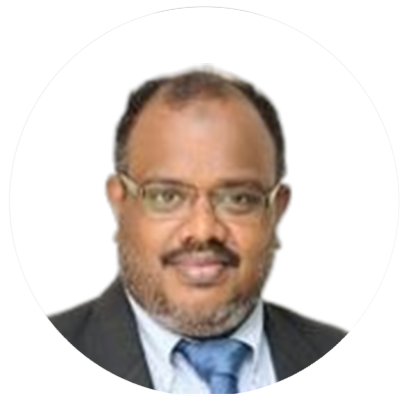
prof Ciraj Ali Mohammed, Deputy Director of the Centre for Continuing Education and Interprofessional Development, is a Professor of Microbiology at Manipal University
David Bor, MD serves as the Chief Academic Officer for Cambridge Health Alliance (CHA). Dr. Bor previously served as CHA’s chief of medicine for 21 years during which time he trained, mentored, and recruited hundreds of providers and current leaders
Dr. Marsh is the Chief Medical Director for Canadian Addiction Treatment Centres and Professor Clinical Sciences at the Northern Ontario School of Medicine.

Professor at Universidad Autónoma Metropolitana Xochimilco. Deyanira is an experienced Professor with a demonstrated history of working in the higher education.
Professor, Discipline of General Practice, University of Newcastle Professor Pond has served 2 full terms as the Western Pacific Regional Representative of The Network: TUFH Board of Directors.

Erin Corriveau, MD, MPH is a practicing physician, mentor and educator in primary care and population health. She is the director of undergraduate medical education at the University of Kansas department of Family Medicine and Community Health.
Tine Hansen-Turton is President and Chief Executive Officer of Woods. Ms. Hansen-Turton is an Executive with more than 20 years of experience in health and human services senior management, executive leadership and consulting.
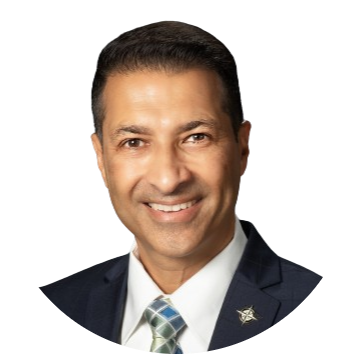
Shafik Dharamsi is Dean and Professor of the School of Public Health at the University of North Texas Health Science Center at Fort Worth. He brings over 25 years of international experience advancing interdisciplinary and transformative education, research, and practice, integrating the medical and public health sciences within a humanities context for the public good.
Pediatrician MPH. MSc. Associate Professor Family Medicine and Population Health – Faculty of Medicine – University of La Sabana. Consultant in maternal and child health education and community health.
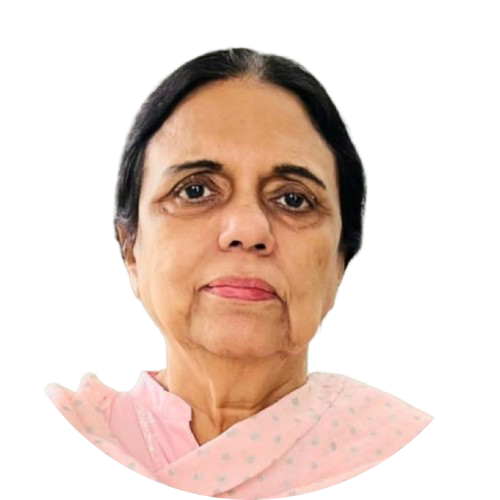
Professor Nighat Huda is acknowledged as the pioneer of medical education in Pakistan. Has immense contribution to community-oriented education for health professionals. Has special interest in women’s issues and women health. Has Experience of home schools for young women, skills development and health education programs for underprivileged women. Since 1991has been an integral part of WHTF activities. Passionate and committed to progress of women professionally, and promotes women’s health and well -being across diverse settings. Has publications in peer-reviewed journals. As an advocate for interprofessional collaborative practice, she has contributed chapter as a co-author, and editorials.
She has contributed through engagement in various activities at local, national and international levels on women’s issues alongside ensuring that medical students experience health needs of women’s population in primary care setting in particular. Currently, at national level, her affiliation with the National Committee for Maternal & Neonatal Health has supported education and training modules for adolescents on family planning, domestic violence, child marriages etc. During her early experience in university community partnership model, she has worked with underprivileged women and selected young women for training as Lady Health workers, and implemented women literacy programs

Prof Steve Reid is a Family Physician with extensive experience in clinical practice, education and research in the field of rural health in South Africa. He holds a MBChB degree from the University of Cape Town, a Masters in Family Medicine from Medunsa, and a PhD in Education from the University of KwaZulu-Natal.
Dr Surekha Tayade -Narrative Bio Dr. Surekha Tayade, MBBS, MD, DNB (Obstetrics and Gynaecology), MNAMS, FICOG, ACME, FAIMER Fellow did her graduation and post-graduation from Government Medical College, Nagpur. She joined the Mahatma Gandhi Institute of Medical Sciences Sewagram, India in 2002, is a full Professor since 2011 and presently heads an independent unit at Jawaharlal Nehru Medical College, DMIMS, DU, Wardha.
Hester Julie is an Associate Professor in the School of Nursing at the University of Western Cape where she has been a faculty member since 1989. She was responsible for coordinating the Clinical Teaching Program, Service-learning and Community Engagement in the School of Nursing from 2015 to 2017.
Born in Durban, South Africa, he studied at the University of Natal Medical School. This medical school was a hotbed of anti-apartheid activism and Shabir spent a bit time in the 1980s as a student in jail. He started practicing in 1990 as a general practitioner (GP) in Kokstad, a small rural town near poverty-stricken Transkei, and rose rapidly through the ranks of the African National Congress (ANC). He turned down a seat in the first post-apartheid parliament in South Africa in 1994 and continued as a GP in Kokstad.
Medical Doctorate, MHPE, FAIMER Fellow, UNESCO TOT Full professor in Forensic Medicine Ain Shams University, Director of ASU-MENA-FRI My “one day” is “Today”. I believe in justice and educational reform that is built on justice and objective. I have a wide experience in project management and proposal writing after being a part of the Ministry of Higher Education EU project team for quite some time. Learning to plan and write strategies added to my capacity as a health professions educator and I believe added a lot to my direction and unique approach.

Mrs. Vibeke Westh is the former (2007 – 2019) President of the Danish Nurses Organization, Capital Region and Former President of the Danish Nurse Organization Capital Country (1995 – 2007). She is a Registered Nurse since 1987. Mrs. Westh is very active in national and regional health boards and associations including, but not limited to Unicef Denmark committee; Danish Nurses Organization; Metropol University College, Copenhagen, and EFFNMA / WHO Europa standing committee for nurses and midwives.

Professor Emeritus John H. V. Gilbert, C.M., Ph.D., LLD (Hon)., FCAHS is a seminal leader in the education of health & social care professionals in British Columbia, Canada, and globally. His vision and leadership led to the concept of interprofessional education being developed as a central tenet of collaborative person-centred practice and care. He is Founding Chair, and Honourary Director, The Canadian Interprofessional Health Collaborative. He was Co-Chair of the WHO Study Group on Interprofessional Education and Collaborative Practice, is a Fellow, Canadian Academy of Health Sciences, a Member of the Order of Canada, Canada’s highest civilian award, and holds the Queen’s Diamond Jubilee Medal. He was awarded the degree Doctor of Laws, Honoris Causa from Dalhousie University. John is a Senior Scholar, WHO Collaborating Centre on Health Workforce Planning and Research, Dalhousie University. He holds the DR. TMA Pai Endowment Chair in Interprofessional Education & Practice, Manipal Academy of Higher Education, India, and is an Adjunct Professor, Faculty of Health, University of Technology, Sydney.

Professor Roger Strasser AM
Senior Academic Advisor, Rural Doctors Network, Australia
Emeritus Professor of Rural Health, University of Waikato, New Zealand
Professor of Rural Health and Founding Dean Emeritus
NOSM (Northern Ontario School of Medicine) University, Canada
Between 2002 and 2019, Professor Roger Strasser was NOSM Founding
Dean and CEO. He is a leader in the global reform of rural health
professional education and research. Recognizing the importance of
context and community in medical education and research, Professor
Strasser has become one of the world’s foremost authorities on rural,
socially accountable medical education, and a sought-after speaker and
advisor.
Prior to 2002, Roger Strasser was Professor of Rural Health and Head of
the Monash University School of Rural Health in Australia and had an
international role with the World Organization of Family Doctors (WONCA)
as inaugural Chair of the Working Party on Rural Practice from 1992-
2004.
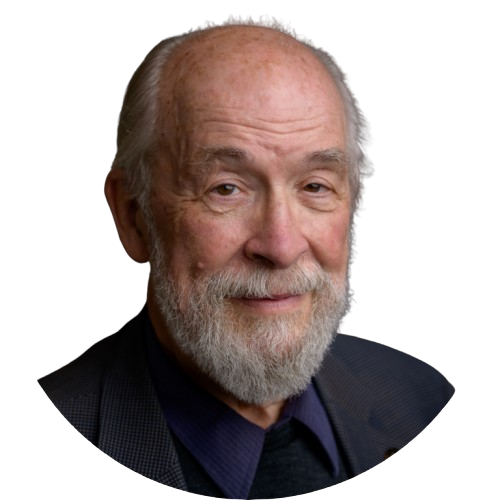
Dr. Woollard is Professor Emeritus of Family Practice at the University of British Columbia, with extensive national and international experience in medical education, social accountability in medical schools, ecosystem health approaches, and sustainable development. He had two decades as a country doc, 16 years of which was in Clearwater BC. He chaired the Department of Family Practice at UBC for ten years during its province wide expansion and increased presence in the curriculum. He recently served several months as Post Graduate Program Director in Family Practice. He is Associate Director of the Rural Coordination Centre of BC (RCCbc) and has extensive connections with teaching programs and Health Authorities across the Province. He has particular interest in First Nations and Metis peoples and communities. He holds leadership positions in several national and international organizations and chairs the Interational Advisory Board (IAB) of the newly established University of Nepal, a public liberal arts university. His work in East Africa and Asia focuses on sustainable development, social accountability, primary care, rural health, and accreditation systems. He is a husband, father and grandfather.
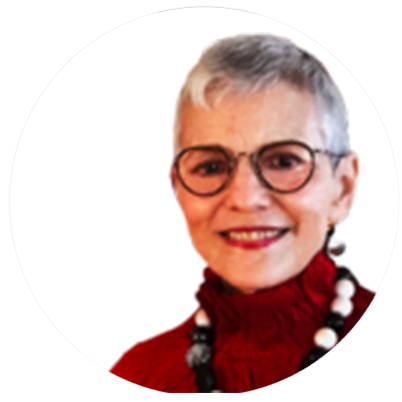
Judy Lewis helped found the Women and Health Task Force of the Network TUFH in 1991, and currently serves on the Management Committee of Women and Health Together for the Future. Prof. Lewis is a public health sociologist who has been on the Faculty of Medicine at the University of Connecticut Health Center for over 40 years. She is currently Professor Emeritus of Community Medicine and Pediatrics. She developed many child health programs in Hartford, CT USA, including one of the first school-based health clinic programs.
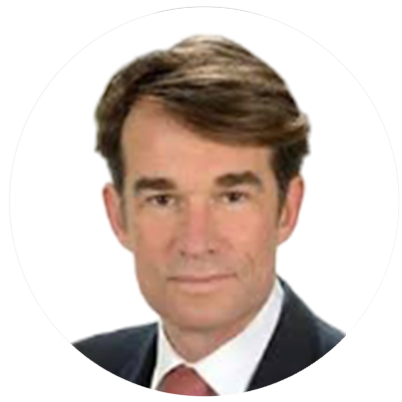
Julian Fisher is a policy advisor and analyst specializing in health workforce education, social and environmental determinants of health, and global oral health.
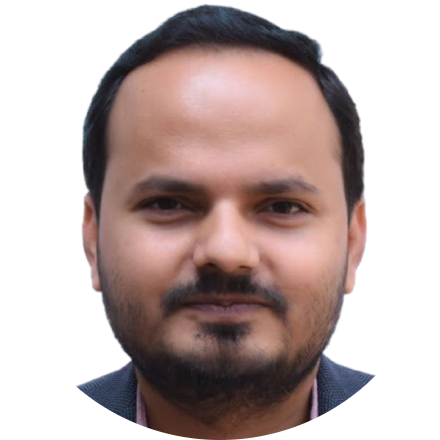
Dr. Pratyush Kumar is an accomplished Rural Family Physician based in Bihar, India, specializing in comprehensive primary care, infectious diseases, diabetes, and geriatrics. He completed his DNB in Family Medicine from Sir Ganga Ram Hospital, where he was recognized as the Best DNB Doctor, demonstrating his commitment to affordable and high-quality patient care. His expertise extends to the academic sphere as the Chief Editor of the Journal of Surgical Specialty and Rural Practice and a prolific researcher, with numerous publications and presentations at international conferences across Asia Pacific, Europe, and Africa.
Dr. Kumar is a highly influential advocate for rural health and primary care systems on a global scale. He currently serves as the Chair of the WONCA Working Party on Rural Practice (Rural WONCA), leading the World Organization of Family Doctors’ efforts for rural health worldwide. Previously, he was the Founder and Inaugural Chair of WoRSA (WONCA Rural South Asia) and the Rural Health Group for the Academy of Family Physicians of India (AFPI). Recognized for his leadership, which includes organizing the World Rural Health Conference and the Global Rural Health Summit, and receiving honors such as the Healthcare Leadership Award, the Taiwan Family Medicine Research Award, and the Montegut Global Scholar Award, his institutional involvement, combined with his dedication to research and education, positions him as a pivotal figure working to bridge the rural-urban gap and strengthen primary healthcare infrastructure across the globe.

Dr. Ray Markham has worked in rural family practice for over 20 years. He has had a diverse and productive medical career that has taken him across the globe. Born in Zimbabwe and trained in South Africa, Dr. Markham first immigrated to Canada in 1992, where he practiced for three years in rural Newfoundland.

Co-Founder and Strategy Officer for Global and Community Health Dr. Laura Chanchien Parajón, a family physician, medical missionary (International Ministries), and public health professional, co-founded AMOS Health and Hope with her husband, David, and has worked in the health equity “trenches” of rural Nicaragua for the past 18 years. She has a strong call to work towards a world where every child has the opportunity to thrive and live an abundant life.
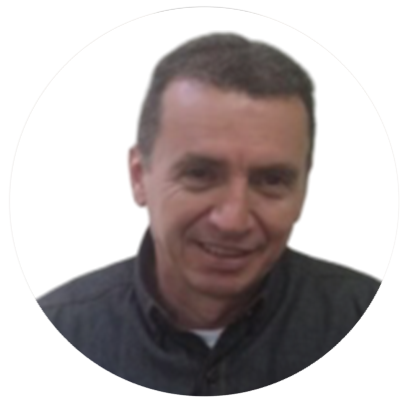
Malika Fair, MD, MPH is the Director of Public Health Initiatives at the Association of American Medical Colleges (AAMC). Dr. Fair directs both the Urban Universities for HEALTH (Health Equity through Alignment, Leadership, and Transformation of Health Workforce) project and the Centers for Disease Control and Prevention (CDC) Cooperative Agreement with AAMC. Dr. Fair is also an Assistant Clinical Professor and practicing physician in the Department of Emergency Medicine of The George Washington University.

Peter Pype is a post-doctoral researcher working at the department of Family Medicine and Primary Health Care at Ghent University and collaborating with the End-of-Life Care Research Group, Vrije Universiteit Brussel (VUB) & Ghent University since 2016. He studied Medicine at the KUL in Leuven and obtained his Master’s degree in 1991. He holds a PhD in Health Sciences (2014).
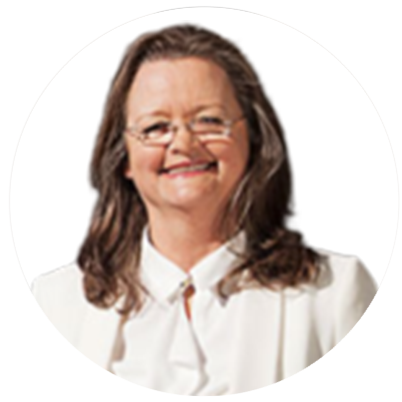
Professor in Family Medicine Deputy Dean responsible for undergraduate, postgraduate and continuing professional development at the Faculty of Medicine and Health Sciences, Stellenbosch University. Principal Investigator Stellenbosch University Rural Medical Education Partnership Initiative (MEPI).
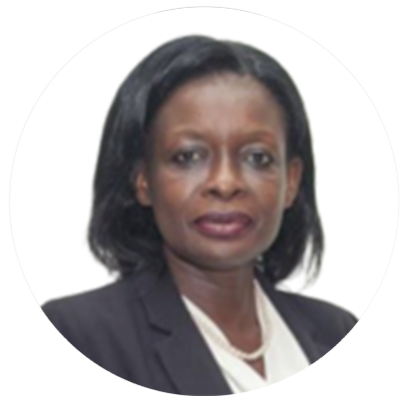
Associate Professor Noeline Nakasujja is the Chair for the Department of Psychiatry at the College of Health Sciences, Makerere University. Her research interests include geriatric psychiatry and cognitive impairment in HIV/AIDS.
Dr. Meredith del Pilar-Labarda is a Professor and the Chairperson of the Department of Medicine at the University of the Philippines Manila School of Health Sciences, an innovative school known for its community-oriented stepladder health professions education curriculum. She is the lead for Social Innovation in Health Initiative (SIHI) Global Network Secretariat, a global network of passionate individuals, organizations and institutions advocating for social innovation in health and advancing research in social innovation launched by the Special Programme for Research and Training in Tropical Diseases (TDR) in 2014, as well as the lead for SIHI Philippines Hub. Both SIHI country hub and secretariat are hosted at the University of the Philippines Manila. She is also a Doctor of Social Development and the school’s lead coordinator for health leadership and governance programs in partnership with government and non-government organizations in co-designing training modules, providing capacity building trainings and coaching for local chief executives, municipal health officers and other important stakeholders in the local health system and community.
Godwin Nwadibia Aja, DrPH, is a Professor of Health Promotion and Community Health, and a Program Advisor for the Master of Public Health programme at the Adventist International Institute of Advanced Studies (AIIAS), Philippines. He holds a Doctor of Public Health degree from Loma Linda University, California, and a Master’s degree in Community Health from the University of Calabar, Nigeria.
With over three decades of experience in public health teaching, research, academic leadership, and community engagement, Prof. Aja previously served as Professor and Head of the Department of Public Health at Babcock University, Nigeria, and as Deputy Director of Research and International Cooperation. His scholarly interests span health promotion and education, One Health, WASH, women’s and reproductive health, interprofessional education, and community-based and faith-informed public health practice.
Prof. Aja has authored and co-authored numerous peer-reviewed publications and academic texts and serves in key professional leadership roles, including President, Association for Public Health Teaching, Research and Service; Member, Advisory Board of Cochrane Nigeria; Treasurer, Women and Health Together for the Future (WHTF); and Advisory Board Member of The Network: Towards Unity for Health (TUFH). He is widely recognized for his contributions to global health education, capacity strengthening, and public health research.

Kamayani Mahabal is a Human Rights lawyer and activist with a background in journalism and clinical psychology. She is a Founder Member of human rights organisation ‘ AHSAAS’ involved in educating people in the field of human rights by way of providing legal remedies and aid to victims of economic, social, psychological and physical oppression in Punjab.
Dr. Mohamed El Hassan Abdalla EL Sayed has memberships and affiliations to regional and international organizations work in Health Professions Education such as the Network-TUFH, International Reference Group on Social Accountability of Medical Schools, Association of Medical Education in the Eastern Mediterranean Region and the Society of Cost and Value in Health Professions Education. His publications and research interests in Medical Education are in the areas of social accountability, Teaching and learning, Accreditation and Cost and Value.
Dr. Rr. Titi Savitri Prihatiningsih is a professor of the Faculty of Medicine, Public Health and Nursing in the University Gadjah Mada.

CURRICULUM VITAE: Prof. Jan De Maeseneer M.D., PhD, (Hon) FRCGP.
Background
Jan De Maeseneer (°1952, Ghent) graduated as a Medical Doctor in 1977 at Ghent University (Belgium). From 1978-2017, he has been working part-time as a family physician in the commu¬nity health centre Botermarkt in Ledeberg ( www.wgcbotermarkt.be ), a deprived area in the city of Ghent. From 1978 to 1981, he worked as a part-time research-assistant in health promotion at the De¬partment of Public Health at Ghent University (Prof. Dr. K. Vuylsteek). Since 1981, he has been working as a part-time assistant at the Department of Family Medicine and Primary Health Care and from 1991 – 2017, he chaired the department. From 2008 – 2017,he was the vice-dean for strategic planning at the Faculty of Medicine and Health Sciences (Ghent University).
Academic career
Jan De Maeseneer has been involved in under¬graduate and postgra¬duate tea¬ching, training and research. He chaired the Educational Committee (1997-2016) in charge of a fundamental reform of the undergraduate curriculum (from a discipline-based towards an integrated patient-based and community-oriented approach). This new curriculum has been evaluated very positively by an international Accreditation Board (NVAO) and has been awarded in 2005 a Special Quality Award for its community orientation and social accountability.
He is board member of the Interuniversity Flemish Consortium for vocational training of family medicine and he chairs the working party for family medicine of the Belgian High Council for medical specialists and family physicians (1998-today).
In 2004 Prof. De Maeseneer received the “WONCA-award for excellence in health care: the Five-Star Doctor” at the 17th World Conference of Family Doctors in Orlando (USA). In 2008 he received a “Doctor Honoris Causa” degree at the Universidad Mayor de San Simon in Cochabamba (Bolivia). In 2010, he received the prize De Schaepdrijver-Caenepeel for developmental work from the Royal Flemish Academy of Medicine. In 2012 he was offered the title of Honorary Professor in the Centre for Primary Care and Public Health in Blizard Institute within Queen Mary, University of London. In 2014 he received the Special Award for Excellence in Health Professional Education at the Prince Mahidol Award Conference in Thailand.
Research
The research activities are focus¬ed on: epidemiology of general practice, functioning of GPs, quality of care, prescription behaviour, medical decision making, medical education, health systems research, equity in health care, telematics in health care, health outcome and health and pover¬ty, change management.
He wrote articles in several journals on health educa¬tion, epidemiolo¬gy, medical decision making, medical education, quality of care, community orien¬ted primary care, interdisciplinary team work, training in gene¬ral practice, health and poverty, health in developing countries. Prof. De Maeseneer is the author of more than 350 scientific publications (8670 citations; h-index 44: see: ORCID iD
ORCID 0000-0002-7296-2909; publication list: https://biblio.ugent.be/person/F3EB6BB6-F0ED-11E1-A9DE-61C894A0A6B4 ). In 2017, he published the book: “Family Medicine and Primary Care at the Crossroads of Societal Change”. He also has given over 250 lectures at international and national conferences. From 1996 – 2006 he was a member of the editorial board of the “European Journal of General Practice” and of the WICC (Wonca International Classification Committee). Prof. De Maeseneer has been Chairman of the European Forum for Primary Care from 2005 – 2017 (www.euprimarycare.org). Since October 2010 he is Head of the WHOCC on Family Medicine and PHC – Ghent University. Since 2012 he is a member of the Global Forum on innovation of Health Professional’s education at the National Academies of Sciences, Engineering and Medicine (Washington) and in 2019 he became an international Member of the National Academy of Medicine (USA).
Social accountability
In 1990-1991, he has been advisor on primary health care of the federal Minister of Health in Belgium. From 2010 – 2018, he was the Chairman of the Strategic Advisory Board of the Flemish Minister for Welfare, Health and Family.
He has been member of the Advisory Committee on Medical Training of the EU and of the Scientific Advisory Board of the “Organisation for Accreditation and Quality Assurance” in Switzerland. From 2006 to 2008, Prof. J. De Maeseneer was a member of the Knowledge Network on “Health System” of the WHO Commission on Social Determinants of Health. He actually is a member of the Primary Health Care Advisory Group on Primary Health Care of WHO-Copenhagen. He is the Chairman of the Expert Panel on Effective Ways of Investing in Health (EXPH), advising the European Commission from since 2013. From 2020 until 2022, he was a Member of the federal Taskforce on Vaccination Strategy for Covid-19 in Belgium.
International cooperation
Prof. De Maeseneer has been involved in the development of various programs of international cooperation and student exchange (University of Cochabamba in Bolivia, University of Cape Town in South Africa, University Yaounde I in Cameroon, University of Makerere in Kampala, University of Science and Technology in Mbarara – Uganda, University of Cuenca – Ecuador and Pontifica Universidad Catolica de Ecuador – Quito). He has been promoter of the VLIR-Own Initiatives project on “Optimisation of family medicine training in Southern and Eastern Africa” that has an important impact on the development of primary health care. He was promotor of the Primafamed-network: 1997-2017 (https://primafamed.sun.ac.za ). From 2007 – 2015, Jan De Maeseneer has been the Secretary General of the Network “Towards Unity for Health” (www.thenetworktufh.org). Jan De Maeseneer did consultancies for WHO and others in Austria, Estonia, Ukraine, …
Actual functions:
Prof. em. Department of Public Health and Primary Care – Ghent University. Belgium.
Head of the WHO Collaborating Centre on Family Medicine and PHC – Ghent University.
International Member, National Academy of Medicine, USA.
Member of Board of Directors, Flemish Institute for Primary Care (VIVEL).
Chair City Health Council, Ghent. Belgium.
Member of the Advisory Board of The Network TUFH
Languages: Dutch, English, French, German, Spanish.



Dr. Mercy Wanjala is a member of the AfroPHC Executive Coordination team running the monthly Policy Workshops. She is a member of the AV-HCP ECHO Advisory Committee on Adult immunization, standing for AfroPHC. She is the WONCA Rural Seeds Ambassador Africa and a member of the WONCA Working Party on Rural Practice Executive Council.
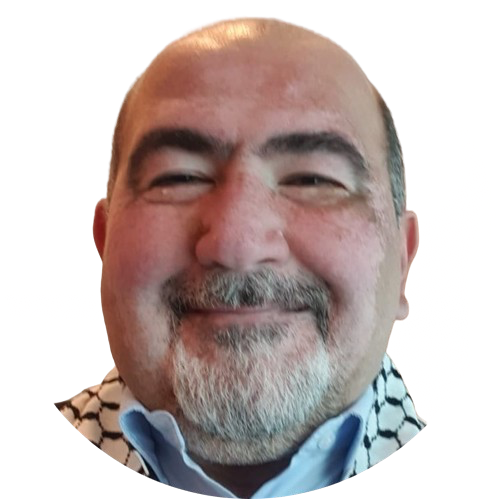
Omar Ala’aldin Alhussaini is an accomplished medical professional with a background in internal medicine and medical education. He graduated from Jordan University of Science and Technology, introduced OSCE to Oman, and co-founded the Department of Medical Education at Sultan Qaboos University Hospital. With experience in Oman’s health system and private sector, he specializes in treating chronic conditions and advocates for a holistic approach to patient care and health education.
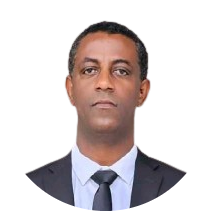
Dr. Tegbar Yigzaw is a physician, public health specialist and human resource for health (HRH) expert with more than 18 years of work experience with Ethiopia’s heath and higher education systems.His experience gives him a robust understanding of the health system and medical education system.For close to 13 years, he led Jhpiego’s health workforce programs taking on greater responsibilities over the years. At present, he is the Chief of Party for USAID’s Health Workforce Improvement Program at Jhpiego.
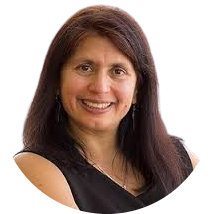
Farah M. Shroff is a Takemi Fellow in International Health at the Harvard School of Public Health, an Associate of the University of British Columbia Department of Family Practice and the School of Population and Public Health, and a Canadian public intellectual with expertise in global public health research and education. Dr. Shroff is the founder of Maternal and Infant Health Canada (MIHCan), a global public health collaborative that focuses on improving the lives of women and children through education, research, and innovation.
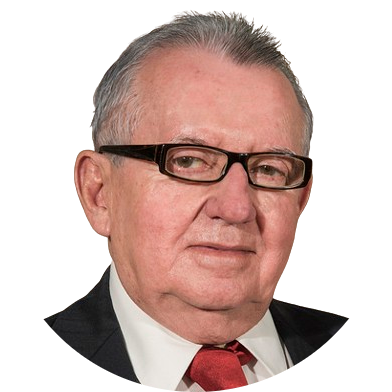
Henry De Holanda Campos is the past Secretary General of The Network: Towards Unity for Health. He is also a professor at the Federal University of Ceará.
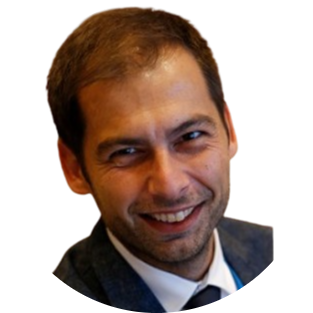
Dr. Harris Lygidakis is CEO of the World Organization of Family Doctors (WONCA). The areas of research he is interested in are eHealth, mobile health, primary health care, global health and health literacy. He has 10+ years of experience working with multicultural and multidisciplinary teams, and in non-for-profit organizations.
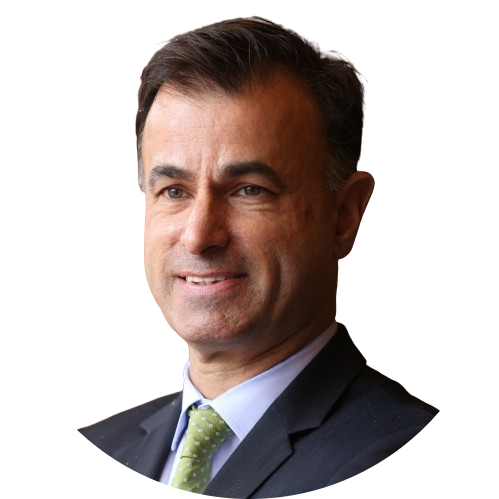
Dr. Martin is a physician who, since September 2012, has served as the founding Executive Director of the Consortium of Universities for Global Health (CUGH). Between 1993-2011, Dr. Martin served as a Member of Parliament in Canada’s House of Commons. He held portfolios in foreign affairs, health, the environment, defense and international development. He has been on many diplomatic missions in areas in crisis around the world but particularly across Africa and worked as a physician on the Mozambique border during their civil war. He has spent many years volunteering on conservation efforts in South Africa and is a member of the Queen’s Privy Council for Canada.
Mr. Oyeyemi Jr. is the Director of the Social Mission Alliance, with research, teaching, and practice experience in the health workforce, health professions education, and community health assessment and response. Mr. Oyeyemi is an inaugural Senior Fellow (2017) of the Atlantic Fellows for Health Equity based at the Mullan Institute.
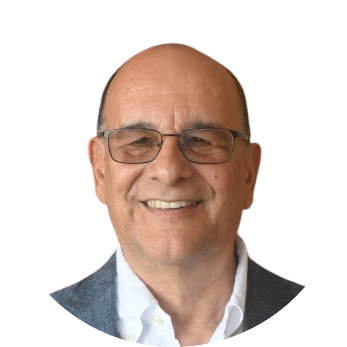
Dr. Harris Lygidakis is CEO of the World Organization of Family Doctors (WONCA). The areas of research he is interested in are eHealth, mobile health, primary health care, global health and health literacy. He has 10+ years of experience working with multicultural and multidisciplinary teams, and in non-for-profit organizations.
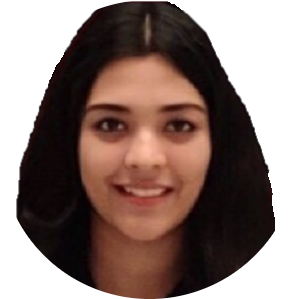
Simran Spal is a fourth-year medical student from India She is an advocate for global health and a researcher at heart. She is active in organisations dedicated to achieving universal health coverage, undergraduate medical research, and public health. She has been a proud member of SNO for the past three years, serving as SNO regional activities assistant and SEA Regional representative. Birdwatching, speed cubing, poetry are some of her interests. She wants to be a resident physician in the United States.
Prattama is a lecturer in the Department of Medical Education and Bioethics, Faculty of Medicine, Public Health and Nursing, Universitas Gadjah Mada and practices as an emergency physician. Serving as a managing editor of the Indonesian Journal of Medical Education, his research interest is in health professions education; particularly peer-assisted learning (PAL) and clinical skills training; and general medicine. He is involved in the curriculum committee of undergraduate medicine and clinical skills laboratory management in the medical school. He also co-coordinates of the FAIMER Regional Institute of Indonesia for Educational Development and Leadership (FRIENDSHIP).

Dr. Jyotsna Rimal is an oral health expert with specialization in Oral Diagnosis with specific interest on oral potentially malignant disorders (OPMDs) specifically oral submucous fibrosis (OSF), oral cancer, orofacial pain disorders. She has received fellowship on Cancer Leadership and cancer prevention. She has been a resource person for Good Clinical Practice (GCP) training in Nepal and India. She holds a fellowship in Foundation of Advancement in Medical Education and Research (FAIMER) and she has an experience of leading Department of Health Professions Education for more than 7 years.
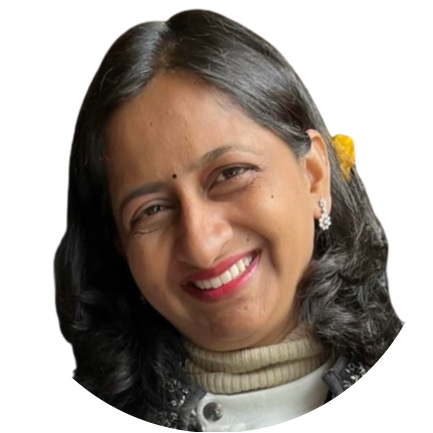
Jyotsna Sriranga (MDS, MHPE, FAIMER Fellow) is a transformation strategist for Health Professions education organisations. She has specialised in Public Health Dentistry (RGUHS, India) and Health Professions Education (Maastricht University, Netherlands). She is the Director and CEO, Urja-Catalysts for Transformation which provides consultancy in curriculum design, academic leadership and research.
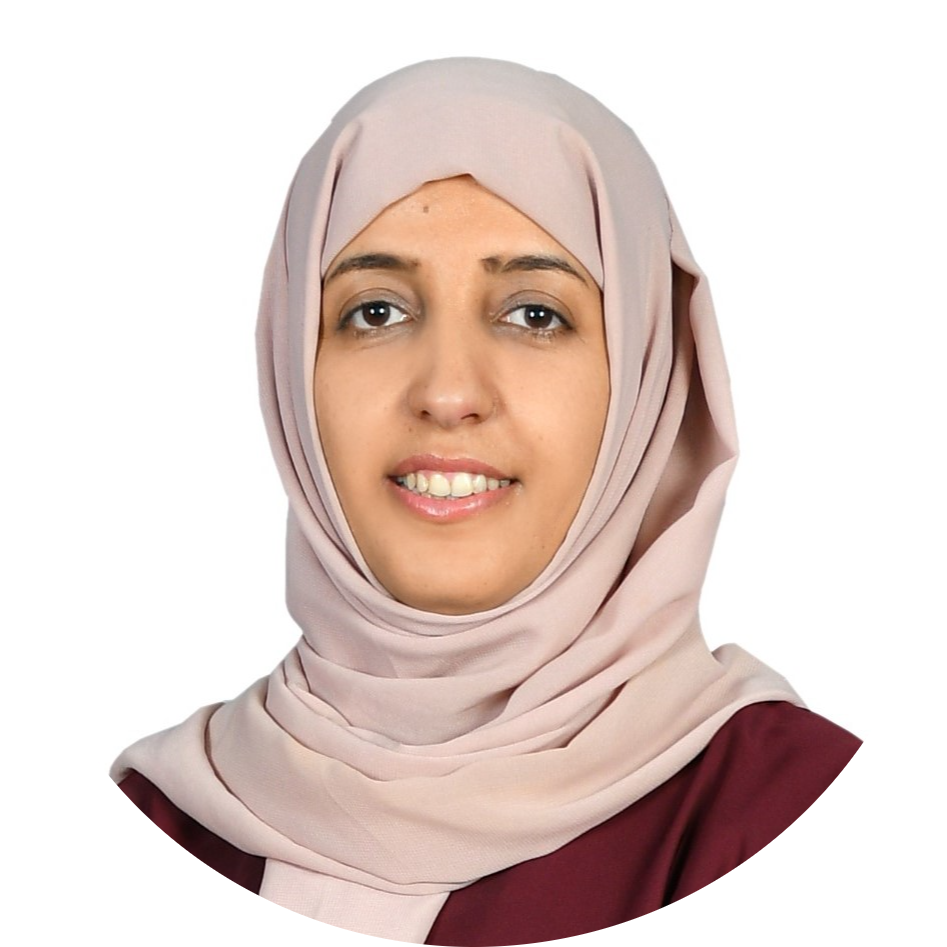
Associate Professor of Medicinal Chemistry and Drug Discovery with over 15 years of academic teaching, research, and supervision experience, and more than 10 years of leadership across pharmaceutical development, quality assurance, and global health programming. Demonstrated excellence in drug design, pharmaceutical formulation, computational chemistry, and natural products research, supported by a strong record of peer-reviewed publications in high-impact international journals.
An internationally engaged WHO expert and humanitarian–development–peace (HDP) nexus specialist, with recognized leadership in evidence-informed policymaking, knowledge translation, evaluation systems strengthening, and social accountability in higher education. Currently serving in senior global roles including Co-Chair of the WHO Civil Society Steering Committee, contributor to the WHO Global Research Agenda, and member of international academic quality assurance and accreditation bodies.
Proven academic leader with extensive experience in curriculum development, program accreditation, departmental leadership, and postgraduate research supervision, alongside significant contributions to global health governance, WASH in health facilities, protection, and humanitarian coordination platforms. Recognized for the ability to bridge rigorous scientific research with real-world health systems, policy dialogue, and humanitarian impact, at national, regional, and global levels.

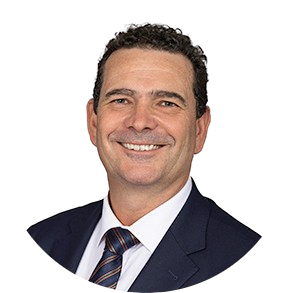
Richard Colbran is an experienced executive officer of health and social services non-profit and charity organisations. He is an advocate for social leadership and has a professional interest in building contemporary NFP business practices to enhance the sector’s impact. He has a commercial background in strategy, partnerships and program management and values multi-agency and community collaboration that brings together the strengths and competency of each partner for mutual benefit.
Richard’s Doctorate examined the organisational performance of health charities. He is currently the Chief Executive Officer of RDN, Chair – NSW Regional Health Ministerial Advisory Panel and a member of the Australian Government’s Small Business Stewardship Group.

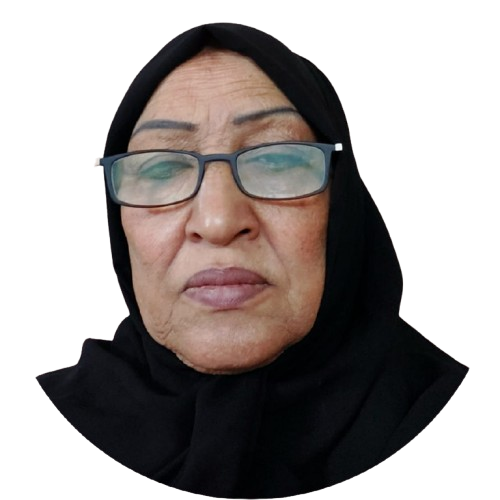
Dr Durria Mansour Elhussein is an Associate Professor of Parasitology with over three decades of academic, research, and leadership experience in health sciences education and community-oriented research. She is a Senior Lecturer in the Department of Public Health, School of Health Sciences, Ahfad University for Women and the former dean of the school. Currently serves as Director of the Research and Grant Unit at AUW. She holds a BSc, MSc, and PhD in Zoology from the University of Khartoum. Her research focuses on neglected tropical and parasitic diseases of public health importance, including visceral leishmaniasis, schistosomiasis, toxoplasmosis, and gastrointestinal parasitic infections, with particular expertise in the development and improvement of diagnostic tools for resource-limited and endemic settings. Her work has contributed to strengthening locally relevant, evidence-based responses to community health needs.
Dr. Elhussein is an active member of national and international professional networks and is deeply committed to advancing global health, gender equity, and ethical research practices.
